
ChatGPT has ads now. What business owners need to know.
ChatGPT now sells ads. Whether you should buy them, and whether AI should be selling them at all, are two different questions.
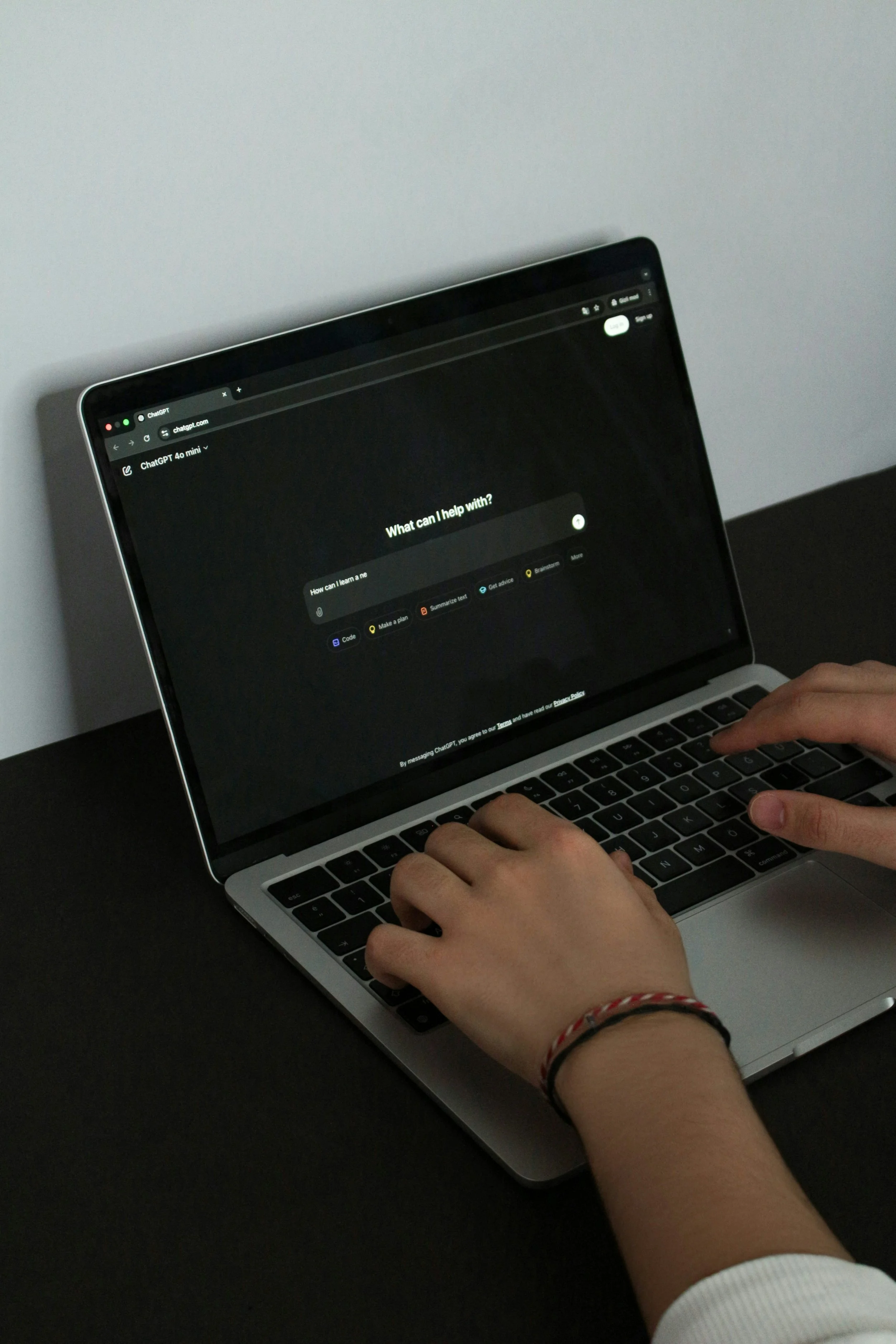
For most of its short life, ChatGPT was one of the few places online where nobody was trying to sell you anything. That changed this year. ChatGPT ads are live, businesses can buy them on their own, and new ad formats keep rolling out.
If you run a business, that probably raises two questions. The first is practical: whether you should be advertising there. The second is harder to shake: how you feel about ads showing up inside a tool people use to think through problems. They're different questions, and they deserve different answers, so I'm going to take them one at a time. I'll give you my honest read on the first one. The second one, I'll leave to you.
What are ChatGPT ads:
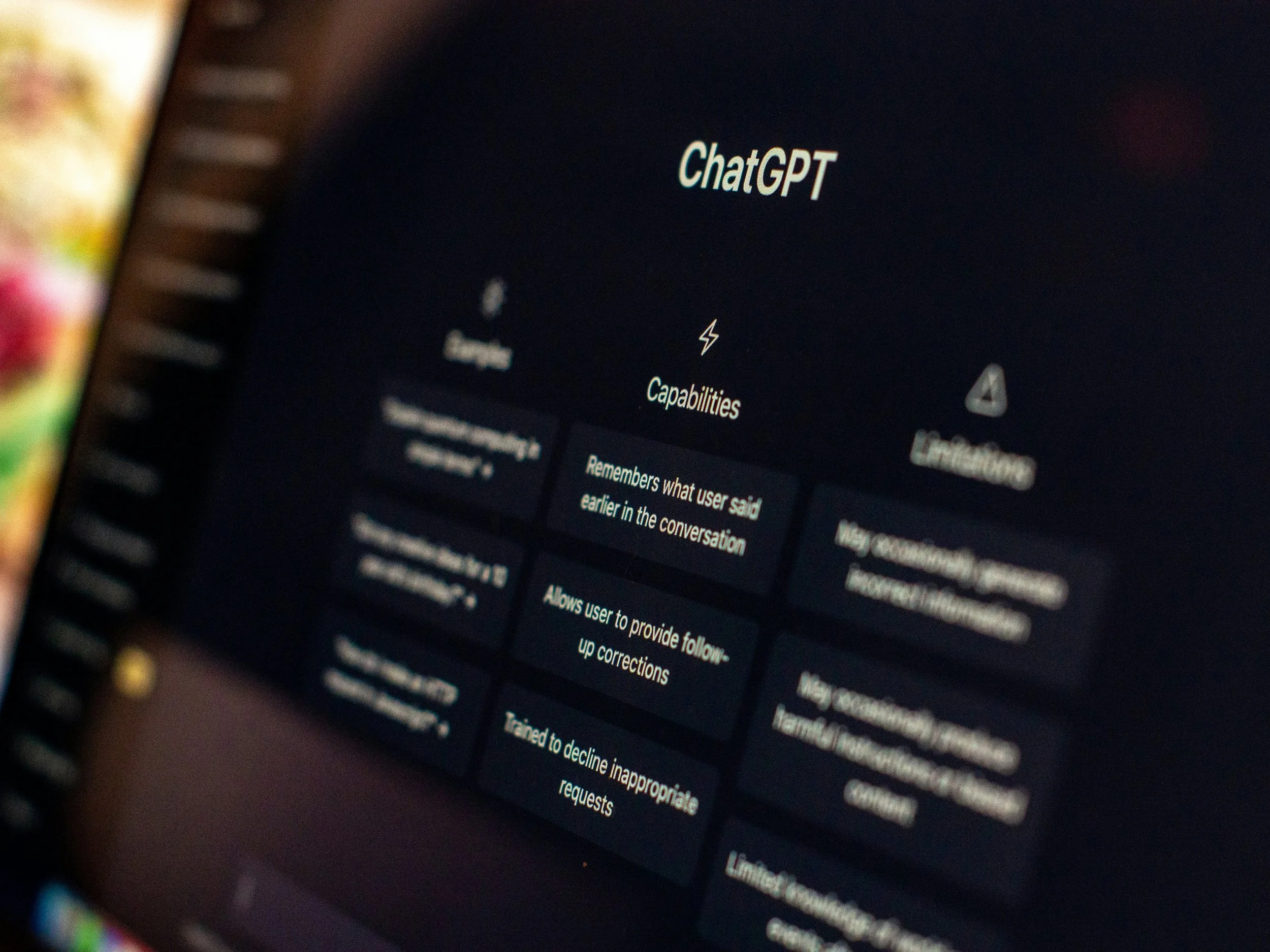
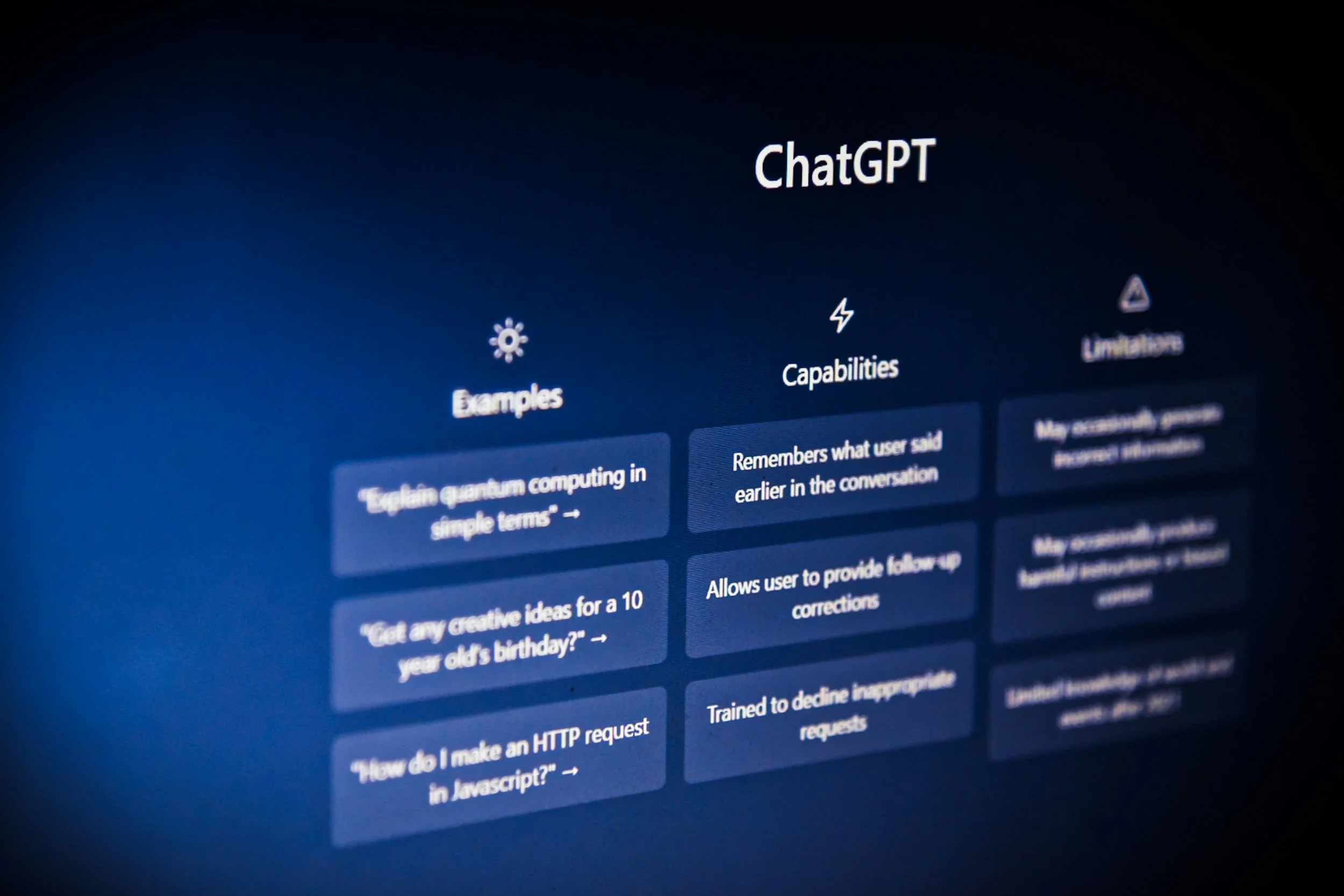
ChatGPT ads are sponsored placements shown inside ChatGPT conversations to people on the Free and Go plans. Each one is labeled as sponsored, set apart from ChatGPT's answer, and matched to what the person is talking about. OpenAI started testing them in the U.S. in February 2026 and has been expanding them ever since.
How ChatGPT ads work
According to OpenAI's announcement, ads are matched to the topic of a conversation, a person's past chats, and how they've interacted with ads before. If someone is planning meals, they might see an ad for a meal kit or grocery delivery. Advertisers don't see anyone's conversations. They get aggregate numbers like views and clicks.
Who sees them, and who doesn't
Ads show up for logged-in adults on the Free and Go plans. People on Plus, Pro, Business, Enterprise, and Education plans don't see them. OpenAI also says it won't show ads to accounts it believes belong to someone under 18, and ads aren't eligible to appear near sensitive or regulated topics like health, mental health, or politics. Free users can turn ads off in exchange for fewer daily messages.
Do ads change ChatGPT's answers?
OpenAI says no. Its stated policy is that ads don't influence what ChatGPT tells you and always appear separately from the answer. That's the commitment the whole model rests on, and it's the line worth watching as the ad business grows.
How businesses buy them
In May, OpenAI opened a self-serve Ads Manager with cost-per-click bidding, so a business can set a budget, upload ads, and run campaigns without going through a big agency. Ads have since expanded beyond the U.S., and OpenAI announced a new visual ad format that appears alongside images people generate in ChatGPT, with testing starting this month.
How much do ChatGPT ads cost?
ChatGPT ads run on an auction, so cost depends on your industry and how many businesses are bidding against you. One breakdown of OpenAI's guidance reports a recommended starting bid of 3 to 5 dollars per click, and that early costs per thousand views fell from about 60 dollars at launch to as low as 25 dollars by April. Treat those as a starting point, not a quote.
Should your business advertise on ChatGPT?
For most small and midsize businesses, a small test makes more sense than a big bet right now. The channel is new, the measurement tools are still maturing, and nobody has a proven playbook yet. If your customers already research and compare options in ChatGPT, it's worth learning early with a budget you're comfortable treating as tuition.
Who it might fit
Businesses whose customers compare options before they buy are the natural fit: home services, professional services, products people research, anything where someone asks an AI tool to help them choose. It also helps to already have clean tracking in place, so you can tell whether a click turned into a call, a booking, or a sale.
Who should wait
If you can't yet measure what your Google or Meta ads are producing, start there. Adding a new channel to a setup you can't read just adds more noise. Businesses in health and other regulated categories may also find their ads aren't eligible to show in many of the conversations they'd care about.
If you decide to test
Keep the budget small, decide up front what a win looks like in business terms, and compare the results against what your other paid channels cost you per lead or sale. Give it enough time to learn something. One early result OpenAI shared: WeightWatchers' attributed cost per acquisition came in 15.3% below its paid search benchmark, as measured by DV Rockerbox. That's one advertiser's number, reported by the platform selling the ads, so it's encouraging without being a promise.
Paying for a spot isn't the same as being the answer
An ad sits next to ChatGPT's answer. Whether ChatGPT names your business inside the answer is a different job entirely, and it comes down to how clearly your business is described online, how consistent your information is, and how much proof you've published. Most businesses will need that second job done whether they ever buy an ad or not. If you're not sure how AI tools describe your business today, we're glad to take a look with you.
Should AI be selling ads at all?
This is where it gets less tidy, and I don't think there's a clean answer yet.
It's worth knowing where this started. Back in 2024, OpenAI CEO Sam Altman called ads a last resort for the company and said that "ads-plus-AI is sort of uniquely unsettling to me." Less than two years later, ads are a growing part of the business. You can read that as a broken promise or as a company being honest about what it costs to run AI for hundreds of millions of people. People land on both sides.
❋ The case for ads in AI
Running these tools is expensive, and ads help pay for free access. OpenAI's argument is that ads let people at every income level use better AI, while anyone who doesn't want them can pay for an ad-free plan or opt out with fewer messages. The ads are labeled and kept separate from answers, advertisers don't see conversations, and sensitive topics are off-limits. And search engines have worked this way for more than two decades. Most people know an ad when they see one.
❋ The case against
A conversation with AI isn't the same as a search. People bring personal questions to these tools and think out loud in them. Because ads can be matched using past chats and memory, the more someone shares, the more relevant the ads can get, which some people will find helpful and others will find uncomfortable. It also means the people who can't afford a subscription are the ones who see the ads.
Not every AI company is going this direction. Anthropic has said Claude will stay ad-free, arguing that even ads kept separate from answers would create pressure to optimize for engagement, meaning how long people stay and how often they come back.
❋ Where that leaves you
I'm not going to tell you where to land on this one. Using a free tool with ads, paying to avoid them, choosing an ad-free tool, or buying ads for your own business are all reasonable choices, and you can make more than one of them at the same time. A few things are worth keeping an eye on as this develops: whether the line between the ad and the answer stays as clear as it is today, how targeting based on past conversations evolves, and whether more AI tools follow ChatGPT or stay ad-free. Make the call that fits your values and your customers.
Whatever you decide, understand the landscape.
The businesses that do well here won't be the ones that rush in or the ones that refuse on principle. They'll be the ones that understand how the channel works, test it with a clear way to measure it, and keep building the kind of presence AI tools want to recommend on their own. That's what keeps you visible no matter how the ad question shakes out.
If you'd like help figuring out whether ChatGPT ads belong in your plan, or how to show up in AI answers without paying for the spot, we're happy to talk it through.
Related articles: